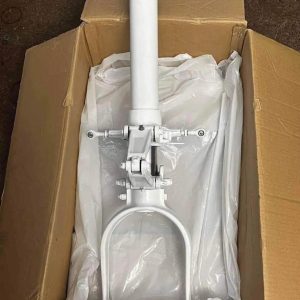
The Cessna Nose Gear Strut Assembly may serve as a replacement, overhaul, restoration, maintenance, or spare-inventory component when its exact part number, configuration, condition, and applicability are confirmed.
Accurate use of these keywords improves search relevance without implying universal compatibility across the Cessna product line.
Whether described as an Aircraft Nose more info Landing Gear Assembly or Cessna Shock Strut Assembly, the unit should be evaluated as part of the complete airframe and landing-gear system.
The Cessna Nose Gear Shock Absorber, Cessna Landing Gear Assembly, Aircraft Landing Gear Strut, and Cessna Nose Wheel Strut phrases highlight the component’s role in supporting loads and controlling ground impacts.
General Aviation Landing Gear Parts listings should provide exact identification, condition, measurements, records, and included components for professional evaluation.
Key Details of an Aircraft Nose Strut
The assembly should be identified through its Cessna part number, casting or forging numbers, serial markings, aircraft applicability, dimensions, configuration, photographs, maintenance records, and available illustrated-parts information.
The buyer should determine whether the listing includes a complete Cessna Nose Gear Assembly or only selected parts of the system.
Managing Taxi and Landing Forces
The strut must manage those loads without excessive looseness, binding, deformation, leakage, or structural distress.
Inspection should extend beyond the removable assembly to the mounting areas, firewall or support structure, brackets, steering components, wheel fork, and surrounding fasteners where applicable.
Managing Landing and Taxi Impacts
Complete functional evaluation is more reliable than visual appearance alone.
Incorrect pressure or fluid quantity can influence ground clearance, steering, ride quality, and structural loading.
Understanding the Cessna Steering Strut Assembly
Correct geometry supports more consistent taxi and landing-roll control.
Towing procedures should respect the aircraft’s steering limitations.
Avoiding Universal Cessna Fitment Claims
The buyer should compare the offered unit with current illustrated-parts, maintenance, and installation information.
The complete receiving-aircraft configuration should be reviewed before purchase.
Checking Chrome and Machined Surfaces
Sliding and sealing surfaces must remain within acceptable condition because defects can damage seals and contribute to leakage or sticking.
The cylinder bore, piston diameter, and relevant clearances may require professional measurement.
Seal Condition and Fluid Leakage
A small film of fluid and an active leak should be distinguished using applicable maintenance guidance.
Incorrect seal material, damaged installation tools, contaminated fluid, or improper assembly can lead to early failure.
Identifying Surface and Hidden Corrosion
Corrosion may develop on external surfaces, inside bores, around fasteners, beneath paint, near mounting points, or within neglected fluid areas.
Responsible preservation helps maintain the Cessna Nose Gear Assembly.
Determining the Need for Nondestructive Testing
High-stress areas can include attachment points, fork transitions, axle regions, steering features, torque-link mounts, and previous repair locations.
Straightening, welding, machining, or other repair history should be documented.
Inspecting the Cessna Nose Wheel Strut
Fork alignment influences wheel tracking, steering response, tire wear, and clearance around fairings or nearby components.
Wheel bearings, seals, spacers, and retaining hardware should be evaluated separately rather than assumed serviceable because they are attached to the assembly.
Maintaining Strut Alignment
Torque links and related pivot components help maintain alignment between moving portions of many nose gear strut designs.
Recurring shimmy should prompt inspection of the entire nose gear, wheel, tire, steering, balance, and attachment system.
Diagnosing Cessna Nose Gear Handling Concerns
Operational reports should identify when the vibration occurs and under what taxi or landing conditions.
A new tire can mask but not correct underlying geometry problems.
Avoiding Incorrect Landing Gear Servicing
The strut should be serviced using clean equipment and controlled procedures.
Extension should be evaluated under the loading condition specified by applicable maintenance data.
Overhaul and Reconditioning Considerations
Clear terminology helps buyers understand the actual condition of the assembly.
Some components may be repairable while others require replacement.
Pre-Purchase Inspection Checklist
The seller should provide photographs of every side, including the cylinder, piston, fork, axle, torque links, steering features, mounts, hardware, identification markings, and damaged areas.
- Compare the assembly with the receiving aircraft’s illustrated parts information, mounting points, steering system, wheel fork, axle, tire, torque links, and approved hardware.
- Review the history for hard landings, runway excursions, towing incidents, shimmy, tire failure, overload, storage exposure, freight damage, and structural repair.
- Retain purchase records, photographs, measurements, inspection reports, maintenance documents, release paperwork, and freight records with the aircraft project file.
Preventing Damage to the Piston and Fork
Professional packaging helps preserve the condition of the Aircraft Nose Gear Strut.
The receiver should inspect the crate for impact, puncture, water exposure, or shifting before opening.
Maintaining Landing Gear Identification
The piston surface should remain covered without using materials that promote corrosion or seal deterioration.
Identification records, inspection tags, hardware, seals, and supporting documents should remain associated with the correct assembly.
Completing Wheel and Strut Alignment
Professional installation protects the aircraft and Cessna Nose Gear Strut Assembly.
Disciplined workmanship supports reliable Cessna Front Landing Gear Assembly operation.
After installation, technicians should verify strut extension, servicing, leakage, steering response, wheel alignment, hardware security, tire clearance, and freedom of movement.
Protecting Long-Term Ground Handling Reliability
Small leaks, corrosion, looseness, tire wear, damaged coatings, unusual noise, or shimmy should receive timely attention.
Maintenance records should identify findings, measurements, servicing, parts replaced, repairs, dates, and personnel involved.
Landing Gear Ownership and Installation Costs
Honest product information strengthens buyer confidence and reduces disputes.
Commercial evaluation should focus on verified suitability rather than promotional claims.
Final Thoughts on the Cessna Nose Landing Gear Strut
The Cessna Nose Gear Strut Assembly offers stronger commercial value when its part number, removal history, inspection status, overhaul records, included hardware, and documentation are described accurately.
Buyers should request current photographs, accurate measurements, transparent condition information, professional inspection details, protected freight arrangements, secure transaction terms, and qualified maintenance review.
Whether buyers need a Cessna Front Landing Gear Assembly, Aircraft Nose Gear Strut, Aircraft Nose Landing Gear Assembly, or Cessna Shock Strut Assembly, current physical condition should be verified.
With verified identity, suitable structural condition, correct aircraft applicability, professional servicing, disciplined installation, and routine inspection, the assembly can provide dependable long-term value.